Benefits of Reading to Children: What Science Says
Discover the proven benefits of reading to your children. From brain development to emotional intelligence, learn why reading aloud is one of the best gifts you can give.
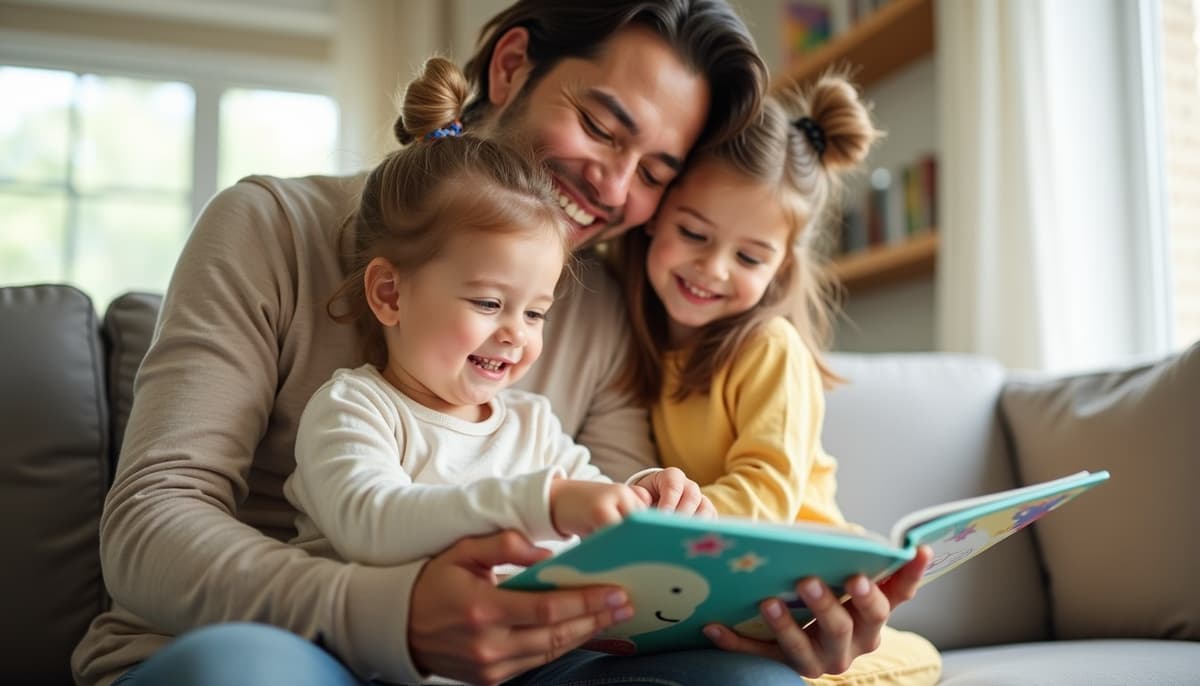
What if we told you there's a simple activity that costs almost nothing, takes just 15-20 minutes a day, and can significantly improve your child's academic success, emotional intelligence, and lifelong well-being?
That activity is reading aloud to your children. The benefits of reading to children are backed by decades of scientific research, and the evidence is overwhelming: reading together is one of the most impactful things you can do as a parent.
The Science Behind Reading to Children
Brain Development
When you read to a child, you're literally building their brain. Neuroimaging studies show that:
- Language areas activate - The left hemisphere "lights up" during story time
- Neural connections form - New pathways develop with each reading session
- Visual processing improves - Looking at pictures builds visual literacy
- Memory strengthens - Following narratives exercises working memory
Research from Cincinnati Children's Hospital found that children who were read to at home had significantly more activity in brain regions associated with reading readiness, even before they could read themselves.
Early Literacy Foundation
Reading aloud exposes children to:
- Phonemic awareness - Understanding that words are made of sounds
- Print concepts - Learning that text goes left to right, top to bottom
- Vocabulary expansion - Books contain 50% more rare words than TV
- Narrative structure - Understanding beginnings, middles, and ends
Key Benefits by Developmental Stage
Birth to 12 Months
Even babies benefit from reading, though they won't understand the words:
What they gain:
- Bonding with caregivers
- Exposure to language patterns
- Visual stimulation from pictures
- Foundation for listening skills
Best practices:
- Use board books with high-contrast images
- Make silly sounds and voices
- Let them touch and explore books
- Keep sessions short (2-5 minutes)
Ages 1-3
Toddlers begin understanding stories and building crucial language skills:
What they gain:
- Vocabulary explosion (can learn 10+ new words per book)
- Concept development (colors, numbers, animals)
- Attention span building
- Question-asking skills
Best practices:
- Read the same books repeatedly (they love it!)
- Ask simple questions ("Where's the dog?")
- Let them turn pages
- Connect stories to real life
Ages 3-5
Preschoolers are reading sponges, absorbing language at incredible rates:
What they gain:
- Pre-reading skills
- Story comprehension
- Emotional vocabulary
- Cultural knowledge
Best practices:
- Discuss the story and characters
- Make predictions ("What do you think happens next?")
- Act out favorite scenes
- Visit the library regularly
Personalized Stories for Every Age
Create custom stories that grow with your child, featuring them as the hero of age-appropriate adventures.
Create a StoryAges 5-8
Early readers still benefit enormously from being read to:
What they gain:
- Exposure to more complex vocabulary
- Models of fluent reading
- Comprehension strategies
- Love of stories beyond their reading level
Best practices:
- Read chapter books together
- Discuss themes and moral lessons
- Let them read parts to you
- Explore different genres
The Numbers: Reading's Impact
The research is clear:
| Metric | Finding | |--------|---------| | Vocabulary | Children read to daily know 1.4 million more words by kindergarten | | School readiness | 3x more likely to be ready for school | | Academic success | Score higher on reading tests through high school | | Screen time | Read-to children watch 30% less TV | | Book ownership | Homes with 500+ books: children average 3.2 more years of education |
Emotional and Social Benefits
Reading isn't just about academics. It profoundly shapes emotional development:
Building Empathy
Stories are empathy gyms. When children hear about characters facing challenges:
- They practice perspective-taking
- They experience emotions safely
- They learn that others have different feelings
- They develop compassion
Processing Difficult Topics
Books provide safe spaces to explore hard subjects:
- New siblings
- Death and loss
- Fears and anxieties
- Friendship challenges
- Moving and changes
When reading about difficult topics, pause and ask: "How do you think [character] is feeling?" This builds emotional intelligence and opens conversations.
Strengthening Relationships
The physical closeness during reading releases oxytocin—the bonding hormone. This creates:
- Positive associations with books
- Secure attachment with caregivers
- Calm, connected moments
- Lifelong memories
Common Myths Debunked
Myth: "They're too young to understand"
Reality: Babies benefit from hearing language patterns long before they understand words. Brain development starts in utero.
Myth: "Audiobooks are just as good"
Reality: While audiobooks have value, they don't provide the physical closeness, interactive discussion, or pointing-at-pictures learning that read-aloud offers.
Myth: "Once they can read themselves, I should stop"
Reality: Children benefit from being read to well into elementary school. Read-alouds expose them to complex texts above their reading level.
Myth: "I'm not a good reader, so I shouldn't try"
Reality: Your reading ability doesn't matter. Your presence, voice, and attention are what children value most.
How to Maximize Reading Benefits
Create a Reading Ritual
- Same time each day (bedtime is classic)
- Comfortable, cozy spot
- Minimize distractions
- Make it special and anticipated
Use Interactive Techniques
Before reading:
- Look at the cover together
- Make predictions
- Discuss what they already know about the topic
During reading:
- Use different voices for characters
- Pause for predictions
- Point to and name pictures
- Ask questions
After reading:
- Discuss favorite parts
- Connect to their life
- Retell the story together
- Extend with related activities
Choose Quality Books
Look for books with:
- Rich vocabulary
- Engaging narratives
- Beautiful illustrations
- Positive messages
- Diverse characters
Stories Made Just for Them
Personalized stories with your child as the main character create unforgettable reading experiences.
Start CreatingReading Across Languages
For multilingual families, reading in multiple languages:
- Strengthens both languages
- Builds cultural connections
- Develops cognitive flexibility
- Shows that all languages matter
Children can learn to read in multiple languages simultaneously. Reading in your home language supports, rather than hinders, learning to read in English.
Overcoming Common Barriers
"I don't have time"
Even 10 minutes daily makes a difference. Try:
- Reading during meals
- Keeping books in the car
- Audiobooks during commutes (plus read-aloud at home)
- Involving other caregivers
"My child won't sit still"
- Start with very short books
- Let them move while you read
- Use interactive books (lift-the-flap, touch-and-feel)
- Read about topics they love
"We can't afford books"
- Library cards are free
- Little Free Libraries
- Book swaps with other families
- Digital library apps (Libby, Hoopla)
- Thrift stores and garage sales
"I'm exhausted at bedtime"
- Read earlier in the evening
- Take turns with a partner
- Some nights, look at pictures and talk
- Remember: imperfect reading still benefits them
Long-Term Impact
The benefits of reading extend far beyond childhood:
Academic Achievement
- Higher test scores through high school
- Better college readiness
- Stronger critical thinking skills
Career Success
- Better communication skills
- Higher vocabulary and literacy
- Greater knowledge base
Life Quality
- Lifelong love of learning
- Better mental health
- Stronger relationships
- Greater creativity
Making Reading Personal
While any reading benefits children, personalized stories create extra-special connections:
- Name recognition - Seeing their name builds identity
- Self-as-hero - They practice confidence and problem-solving
- Family connections - Including relatives deepens bonds
- Relevance - Stories about their interests engage more deeply
Frequently Asked Questions
At what age should I start reading to my child?▼
You can start reading to your baby from birth—even before! Newborns benefit from hearing your voice and language patterns. Board books with high-contrast images work well for the youngest babies.
How long should I read to my child each day?▼
Aim for at least 15-20 minutes daily, but any amount helps. Short, frequent sessions often work better than rare long ones. Consistency matters more than duration.
Should I read the same book over and over?▼
Yes! Repetition is how children learn. They'll memorize favorite books, which builds confidence and helps them notice new details each time. Let them request favorites repeatedly.
What if my child doesn't seem interested in books?▼
Try different types of books (magazines, comics, non-fiction), read about their interests, make it interactive with questions and voices, or let them choose books at the library. Some children prefer movement—try walking around while reading.
Is it okay to skip pages or change words?▼
Absolutely. Adapt books to your child's attention span and interests. Shortening long books for younger children or simplifying complex language is fine. The goal is positive reading experiences.
Does it matter if I read physical books vs. e-books?▼
Physical books are generally preferred for young children because they support page-turning skills and have no digital distractions. However, e-books are better than no books. If using screens, choose apps without games or advertisements.
Start Today
The best time to start reading to your child was the day they were born. The second-best time is today.
Every book you read together builds neural pathways, expands vocabulary, strengthens your bond, and plants seeds for a lifetime of learning. It doesn't matter if you're a "good" reader, if you have lots of books, or if your child is wiggly.
What matters is showing up, opening a book, and sharing the magic of stories together.